Strategy is a tool for shaping the conditions under which architecture can emerge, be communicated and become effective. These conditions are communicative, organisational, institutional, social and political, and include forms of participation, interpretation and discourse. The strategic approach begins in Phase 0 – before the project itself is developed – continues throughout the process and extends beyond its realisation.
Architecture is the manifestation of complex processes in which communication, organisation, participation and interpretation are as consequential as design itself. Architecture does not end with the built object.
Experience in spatial practice, strategic process development, teaching and research forms the basis of this work. Through i.e. agency for design and communication, which they co-founded, Barbara Holzer and Tanja Kullack develop and guide planning and transformation processes across cultural institutions, urban development, higher education, industry and commerce.. They analyse existing conditions, make differing interests, potentials and controversies visible, curate dialogical processes and develop strategic frameworks for participation, interpretation, publications and discursive formats. The aim is to develop approaches that negotiate complex conditions and arrive at appropriate responses.
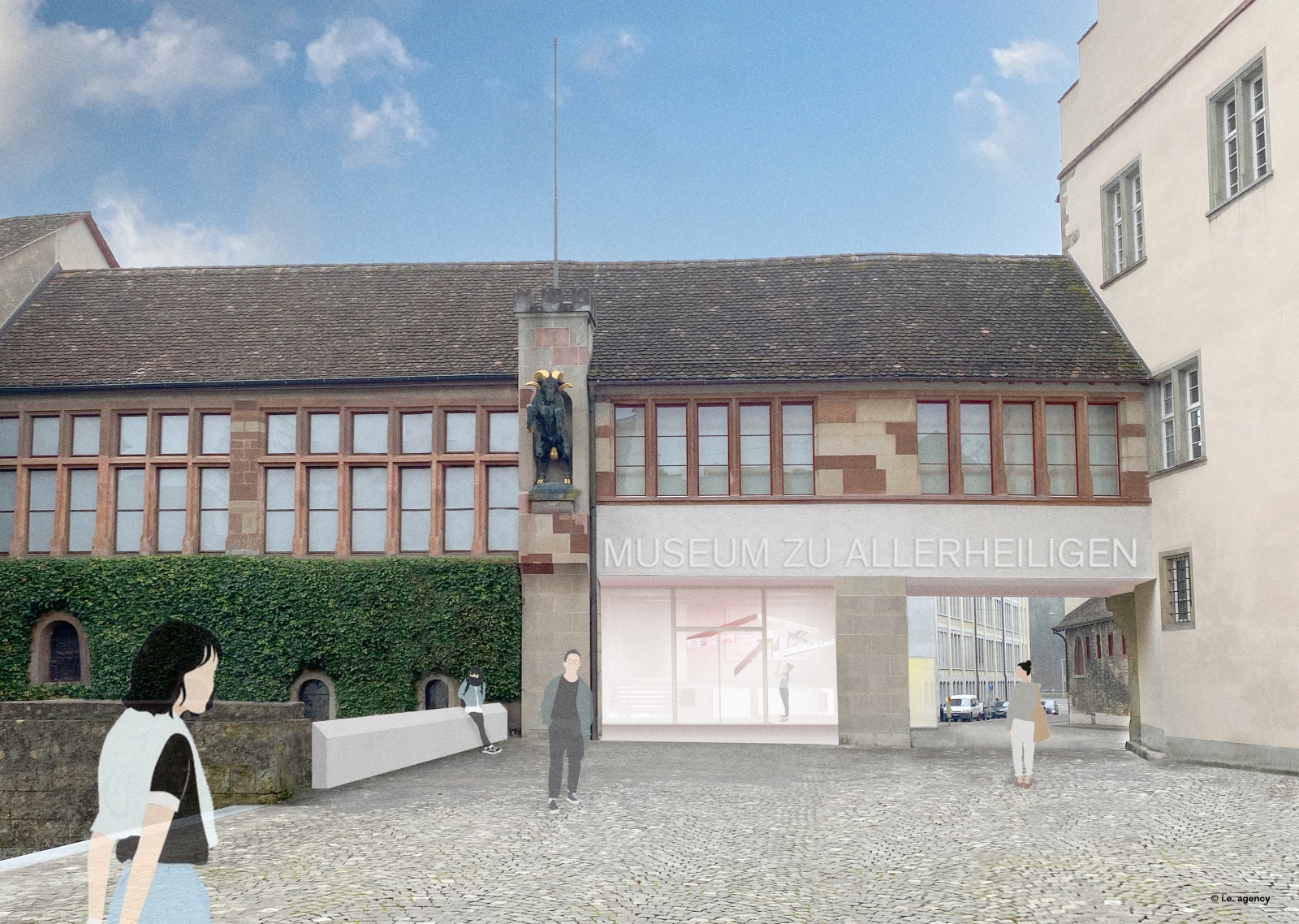
This strategic practice is grounded in the conviction that architecture is an expression of social responsibility, processes of societal negotiation and deliberate positions. Its relevance unfolds through the processes of its production, appropriation and use, as much as through the built result. Democratic principles are therefore integral to both strategic and design processes, fostering agency, shared responsibility and participation. The feasibility process for the Museum zu Allerheiligen in Schaffhausen exemplifies this approach.
WINNER! Bildungs- und Erinnerungsort am Checkpoint Charlie, with A24/Landscape and Holzer Kobler Architekturen.
phase 0
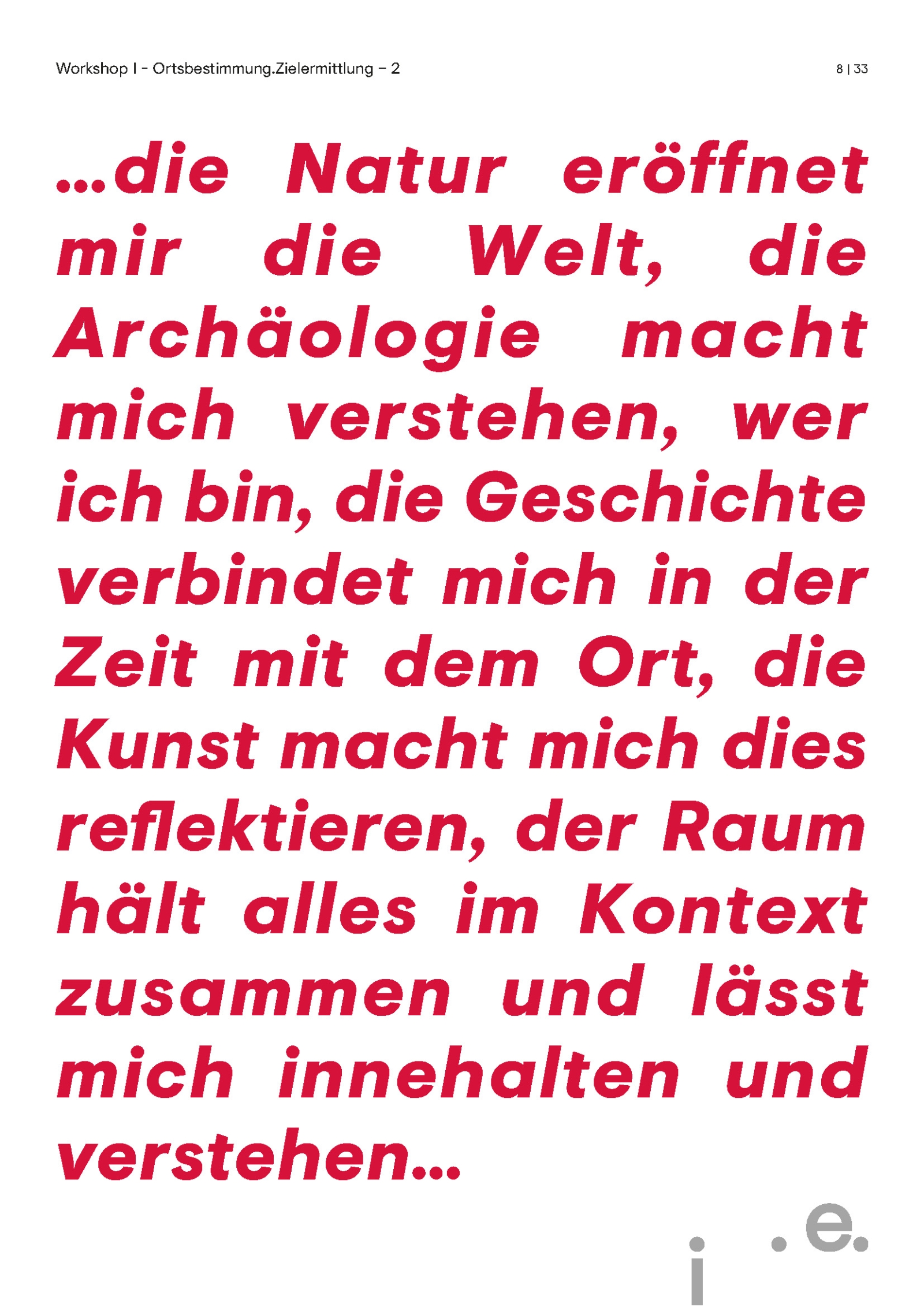
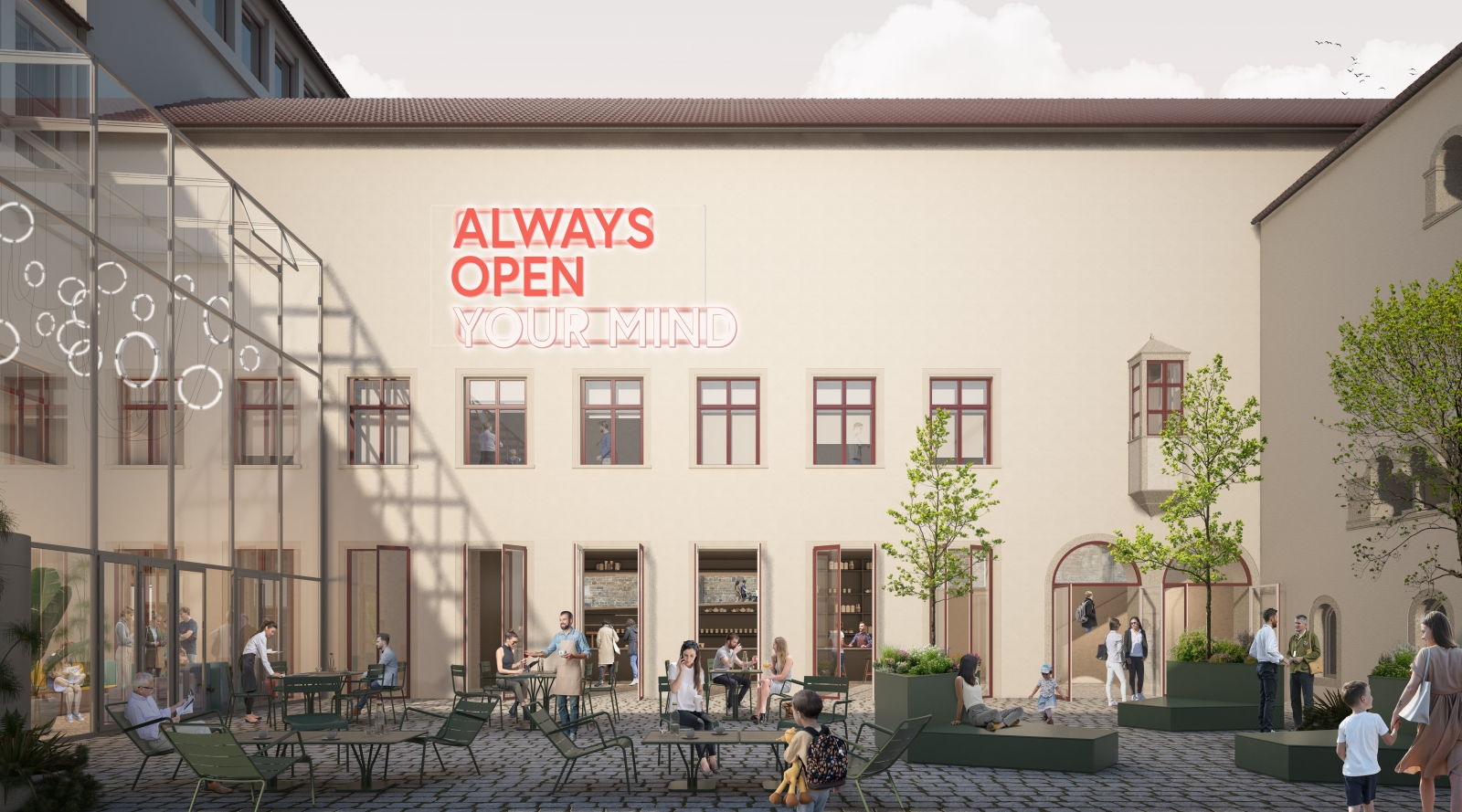
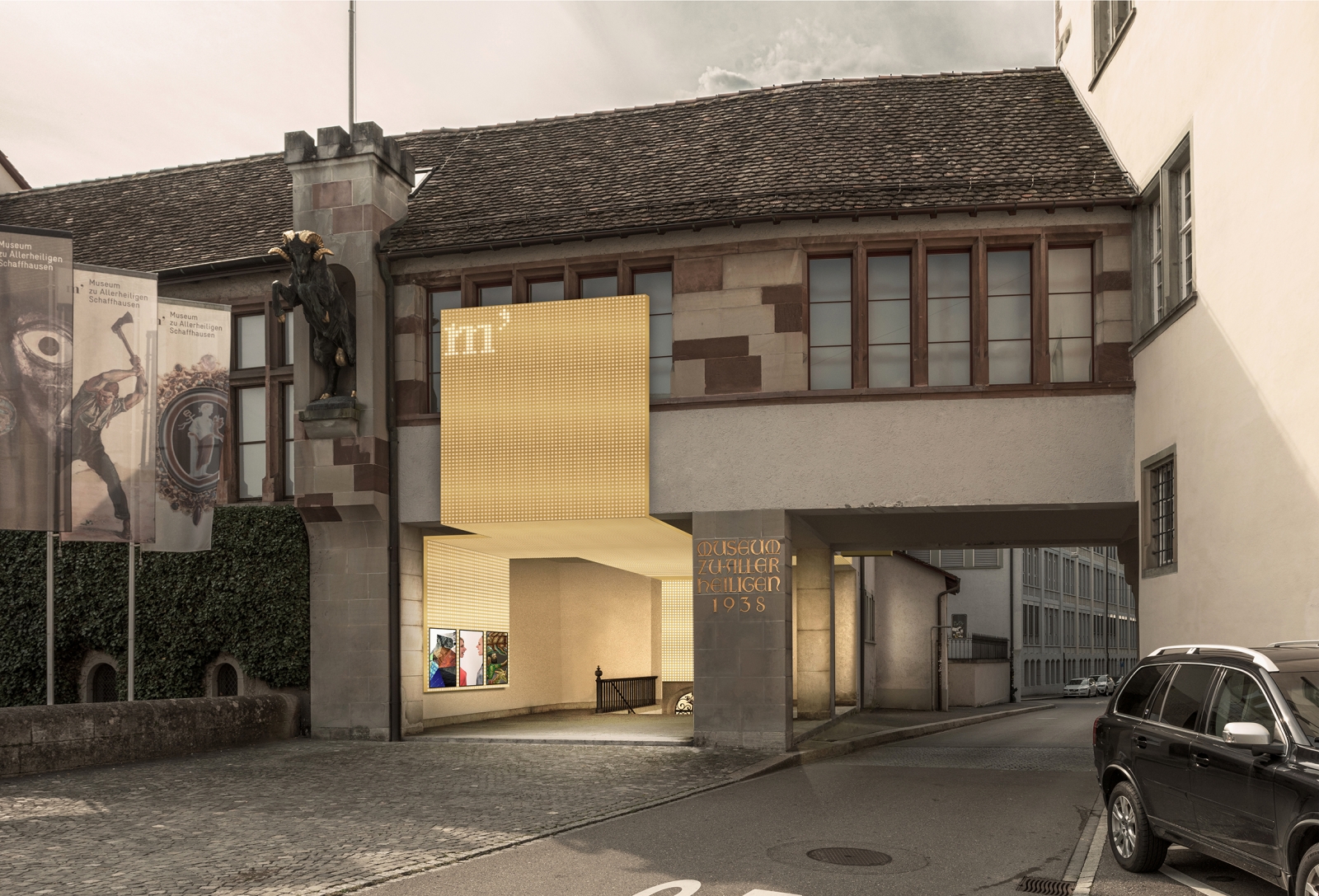
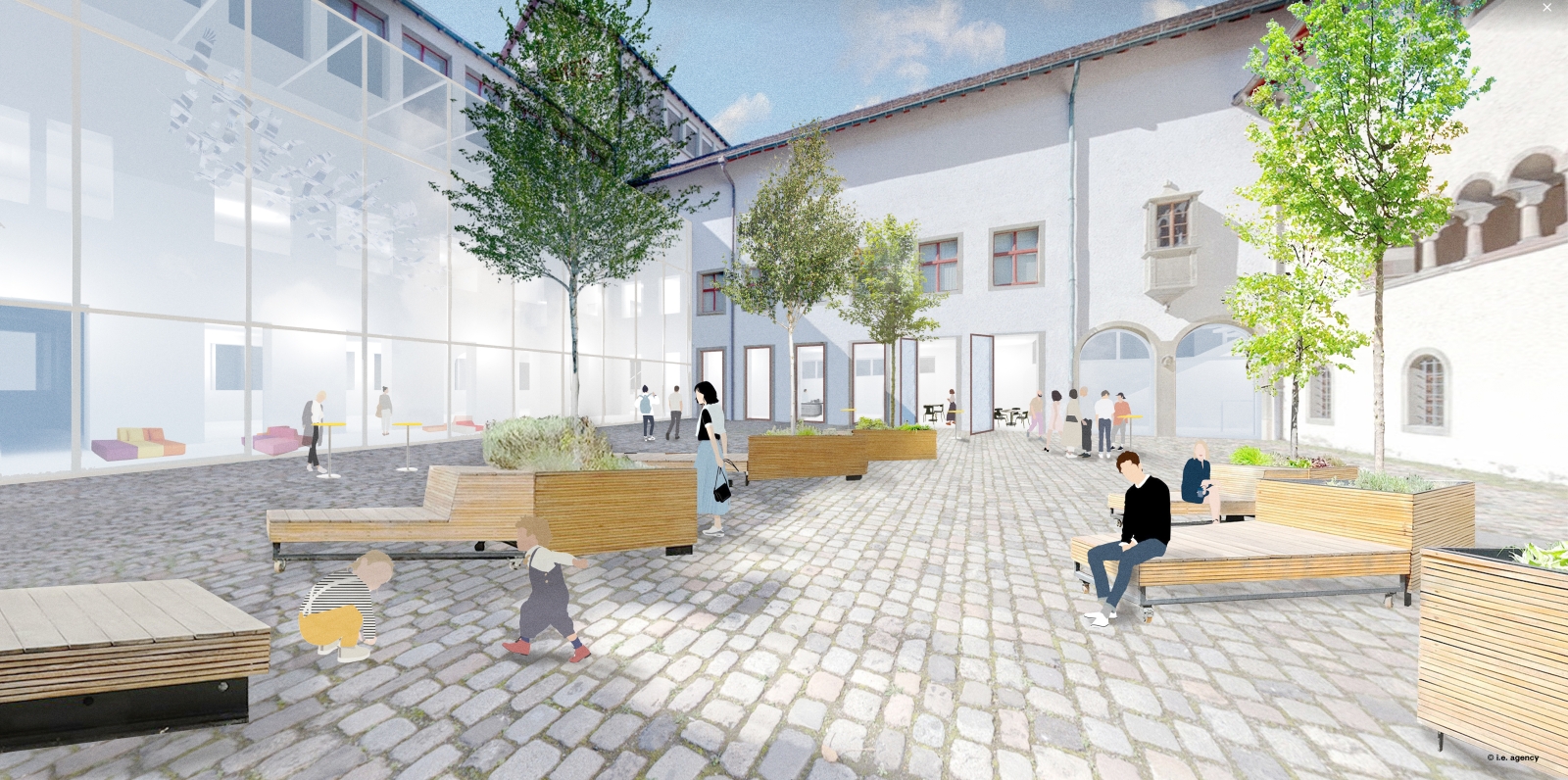
For the Museum zu Allerheiligen Schaffhausen, i.e. agency developed the strategic framework for the conceptual and spatial transformation of a universal museum as part of a two-stage feasibility study. The process was structured through a sequence of workshops, dialogue formats and systematic analyses.
Different perspectives, interests and at times conflicting objectives were brought into productive constellations, revealing the museum’s specific talents, qualities and relationships. This collective reading of the existing institution gradually evolved into a strategic framework that considers the museum as an interconnected structure of collections, interpretation, organisation and space.
The process established a perspective for the museum’s future, responsive to the specific qualities of the place, the institution and its different actors.